Source High Absorbent Tofu Cat Litter for Indoor Use
Find 30 high absorbent tofu cat litter options from Chinese manufacturers. Compare clumping speed, dust rates, and plant-based materials. Source customizable packaging and OEM services for pet supply businesses; compare the available evidence and request quotations based on your requirements.
Key considerations
Products List




Comprehensive Sourcing Guide
High Absorbent Tofu Cat Litter Sourcing Guide
Buyers evaluating high absorbent tofu cat litter must first distinguish between general pet cleaning products and specialized formulations designed for rapid moisture management. The observed market data indicates a clear segmentation where specific listings highlight "Tofu Cat Litter" alongside "pH Cat Litter," suggesting that sourcing strategies should account for distinct functional attributes like clumping speed and pH balance. Procurement teams should verify that the product application aligns with indoor use scenarios, including standard litter boxes and automatic cleaning systems, as these environments demand specific performance characteristics to ensure user satisfaction and operational efficiency.
When analyzing product listings, it is critical to recognize that while many suppliers offer customizable options, the core material composition remains a primary differentiator. The available data confirms that plant-based materials such as corn starch and pea fiber are standard, yet buyers must confirm if the specific batch meets the required absorption thresholds, which can range from 300% to over 400% depending on the formulation. Sourcing decisions should prioritize suppliers who explicitly state their clumping time and dust rates, as these metrics directly impact the cleanliness of the home and the frequency of litter box maintenance required by the end consumer.
Product Scope and Observed Listing Signals
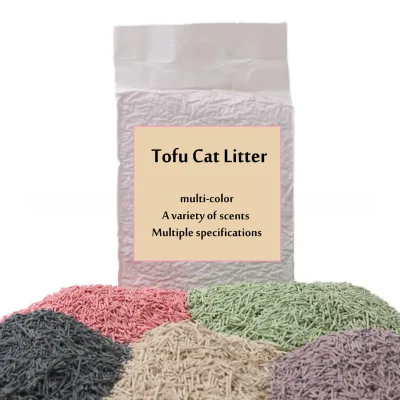
The product scope for high absorbent tofu cat litter encompasses a variety of packaging formats and physical specifications tailored to different market segments. Listings frequently feature bag types such as three-side seal bags, stand-up pouches, and woven bags, with popular package sizes ranging from 5 liters to 24 kilograms. Buyers should note that while some products are marketed as "Scent Free" or "Fragrance Free," others may offer customizable color options like yellow or fully customizable branding, requiring clear communication of aesthetic requirements during the initial inquiry phase to avoid mismatches in final delivery.
Observation of listing signals reveals a strong emphasis on eco-friendly attributes, with many products claiming to be biodegradable, compostable, and toxin-free. These features are particularly relevant for buyers targeting environmentally conscious consumers who prioritize natural and plant-based ingredients over synthetic alternatives. However, procurement teams must verify that these claims are supported by the specific product description, as the term "biodegradable" may apply differently depending on the disposal method, and the presence of "flushable" claims requires careful validation against local plumbing regulations and waste management infrastructure.
Technical Specifications to Verify
Technical verification begins with the physical dimensions and particle size of the litter, which directly influence clumping efficiency and tracking behavior. The observed data specifies particle sizes ranging from 1.0mm to 3.8mm, with common models listed at 1.5mm, 2.0mm, and 3.0mm. Buyers should request detailed sieve analysis reports to ensure the granule size matches the intended application, as smaller particles may offer better clumping but increase dust generation, while larger granules might reduce dust but compromise the speed of liquid absorption in high-traffic litter boxes.
Absorption capacity and clumping speed are the most critical performance metrics for high absorbent tofu cat litter, as they define the product's utility and customer retention. The market data indicates absorption rates of at least 300%, with some premium listings claiming water absorption of 400% or higher, alongside clumping times of three seconds or less. Procurement teams must insist on third-party test results or batch-specific data sheets that confirm these figures, as variations in raw material quality can significantly alter the final product's ability to lock in moisture and prevent odor spread within the litter box environment.
Compliance and Safety Documentation
Safety documentation is paramount when sourcing pet products, particularly those intended for indoor use where direct contact with animals and humans is frequent. The observed listings consistently mention MSDS (Material Safety Data Sheet) certification, which provides essential information regarding the chemical composition and safety handling of the product. Buyers should ensure that the supplier provides a current MSDS for every batch, verifying that the product is free from toxins and harmful chemicals, and that the pH levels remain within a safe range, typically between 6.5 and 7.5, to prevent irritation to pets or humans during handling.
Beyond basic safety data, buyers must investigate the specific certifications and standards that validate the product's environmental claims. While some listings reference ISO 9001 or ASTM D6400 as background context, these should not be assumed without explicit confirmation from the supplier. Procurement teams should request evidence of compostability or biodegradability certifications that align with local regulations, ensuring that the product's disposal claims are legally defensible and scientifically accurate. This due diligence protects the buyer from potential liability and ensures that the product meets the rigorous expectations of eco-conscious retail partners.
Cost Drivers and Commercial Terms
Cost structures for high absorbent tofu cat litter are heavily influenced by raw material volatility and the complexity of customization requests. The primary cost drivers include the price of corn starch and pea fiber, which fluctuate based on agricultural yields and global supply chain conditions. Additionally, the requirement for custom packaging, such as specific bag types or printed logos, adds a layer of complexity that can increase unit costs. Buyers should negotiate pricing based on volume tiers, noting that while some listings suggest an MOQ of one ton, others may require five tons, significantly impacting the initial capital outlay and inventory management strategy.
Commercial terms regarding payment and logistics must be clearly defined to mitigate financial risk and ensure timely delivery. The observed data indicates a wide range of MOQs from one ton to one thousand units, suggesting that smaller buyers may face higher per-unit costs or limited supplier options. It is essential to clarify lead times and shipping terms, as the origin of the product, often listed as Shandong, China, can affect transit duration and freight costs. Buyers should also inquire about sample availability, as many suppliers offer free samples to validate quality before committing to a larger order, which is a crucial step in the procurement process.
Supplier Qualification and Quality Control
Supplier qualification requires a thorough assessment of the manufacturer's capacity to maintain consistent quality across large production runs. The market data identifies suppliers as "Cat Litter Factories" or "Cat Litter Manufacturers," indicating a vertical integration that can offer better control over the production process. Buyers should verify the supplier's ability to handle OEM and ODM requests, ensuring they have the infrastructure to produce custom formulations and packaging while maintaining the strict quality standards required for pet products. This includes checking for consistent particle size distribution and uniform clumping performance across different batches.
Quality control protocols must be established to monitor key performance indicators such as dust rate and absorption capacity. The observed data highlights a dust rate of 0.3% or less, which is a critical benchmark for maintaining a clean indoor environment. Procurement teams should implement a rigorous inspection regime that includes random sampling and testing of incoming shipments to verify that the dust rate, clumping time, and absorption percentages meet the agreed-upon specifications. Establishing a clear communication channel for reporting quality issues and defining acceptable defect rates is essential for maintaining a reliable supply chain and protecting the brand's reputation.
Long-Term Procurement Checks
Long-term procurement success depends on the ability to adapt to changing market demands and regulatory landscapes. Buyers should regularly review the product's performance in the field, gathering feedback from end-users regarding odor control, clumping efficiency, and overall satisfaction. This feedback loop is essential for identifying potential issues early and working with the supplier to refine the product formulation or packaging. Additionally, monitoring the supplier's adherence to sustainability claims is crucial, as consumer expectations regarding biodegradability and eco-friendliness are continuously evolving.
Strategic partnerships with suppliers who offer flexible customization and responsive service are vital for maintaining a competitive edge. The observed data shows that many suppliers welcome OEM and ODM requests, providing an opportunity to differentiate the product through unique features or branding. Buyers should establish a long-term relationship that includes regular quality audits and joint development initiatives to ensure the product remains aligned with market trends. By maintaining a proactive approach to supplier management, buyers can secure a reliable supply of high-quality, high-absorbent tofu cat litter that meets the evolving needs of their customers.
FAQs
What is the water absorption rate of this tofu cat litter?
The water absorption rate is at least 400%, ensuring rapid liquid uptake. This high capacity helps keep the litter box dry and reduces odor. The material is plant-based and compostable, making it an eco-friendly choice for pet owners who prioritize sustainability and effective moisture control in their homes.
Can this cat litter be flushed down the toilet?
Yes, this product is designed to be flushable. It is made from corn starch and pea fiber, which decompose easily. This feature allows for convenient disposal without clogging plumbing systems. Buyers should verify local plumbing regulations, but the material composition supports safe flushing for most standard household setups.
What certifications does the manufacturer hold for this product?
The manufacturer holds MSDS certification for this product. This documentation ensures safety standards are met for handling and transport. Custom certifications may also be available upon request. Buyers seeking specific regulatory compliance should contact the supplier directly to confirm which additional standards apply to their target market requirements.
What is the minimum order quantity for bulk purchases?
The minimum order quantity is typically 1 ton for standard orders. Some listings indicate a higher threshold of 5 tons for specific customization requests. Buyers should confirm the exact MOQ with the supplier based on their volume needs. Bulk pricing and packaging options may vary depending on the final order size.
Is the cat litter low in dust and clumping?
Yes, the litter features low dust with a rate of less than 0.3%. It also clumps quickly, typically within 3 seconds of contact with moisture. This rapid clumping aids in easy scooping and maintains a cleaner litter box environment. The low dust profile is beneficial for pets and owners with respiratory sensitivities.
Can I customize the packaging and logo for this product?
Yes, customization is available for both packaging and logos. The supplier accepts OEM and ODM requests to tailor products to your brand. Packaging options include various bag types and sizes. Buyers can specify their preferred design and material requirements to create a unique product offering that aligns with their market strategy.